Three weather warnings issued for Ottawa on Canada Day
Posted Jul 1, 2026 11:28:58 AM.
Last Updated Jul 2, 2026 10:55:42 AM.
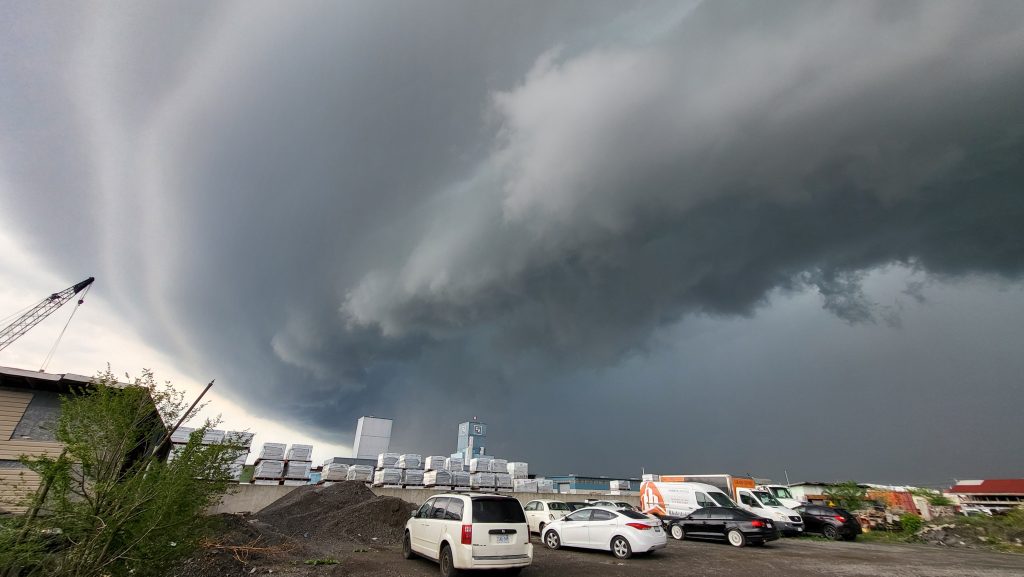
An orange heat warning, a yellow thunderstorm warning and a yellow watch for thunderstorms are all in effect for Wednesday July 1.
The extreme heat alert began Wednesday and is expected to continue into into the weekend.
Environment Canada said temperatures will peak on Wednesday and Thursday, with temperatures reaching 35 degrees Celsius. Lowest temperatures are expected to drop to 21 degrees, providing little relief from the extreme heat.
At around 3 p.m., Environment Canada updated its alerts to indicate a thunderstorm warning from areas west of Ottawa, south of Ottawa and just east of Clarence-Rockland. Hazards include strong, damaging wind at about 90 to 110 km per hour, toonie-sized hail and 50 to 75 mm of rain.
Environment Canada said power outages are likely and rain may cause flash flooding and significant reductions to visibility. Emergency Management Ontario recommends that you take cover immediately if threatening weather approaches.
For the heat warning, Environment Canada warns that hot and humid conditions lower air quality and might result in the Air Quality Health Index approaching the high-risk category.
Extreme heat impacts everyone, and certain steps can be taken to reduce the likelihood of heat-related sickness. Splash pads, wading pools and beaches, as well as outdoor pools are open for Canada Day to provide some relief from the heat.
Early signs of heat exhaustion include headache, nauseam dizziness, thirst, dark urine and intense fatigue. Those living alone or older adults can be at-risk, so Environment Canada recommends checking in by phone throughout the day. Outdoor activity is also not recommended.
Heat stroke is a medical emergency and can show up as red and hot skin, dizziness, nausea, confusion and change in consciousness. Call 9-1-1 or an emergency health provider if someone around you is experiencing a heat stroke. While you wait, cool the person by moving them to a colder place and removing clothes before applying cold water and ice packs around the body.
Other ways to prevent heat-related illness is by drinking water often, closing blinds and windows to keep cool air inside, turning on air conditioning or a fan, or even visiting a cooling centre, community centre or library that has air conditioning if your residence does not.
Environment Canada also recommends:
- Plan and schedule outdoor activities during the coolest parts of the day.
- Limit direct exposure to the sun and heat.
- Wear lightweight, light-coloured, loose-fitting clothing and a wide-brimmed hat.
- Never leave people, especially children, or pets inside a parked vehicle. Check the vehicle before locking to make sure no one is left behind.
For more information:
- How to protect yourself from the health effects of extreme heat
- Health risks and who is at risk of extreme heat events
For more information and updates, visit this website.