OPS reflects on life saving measures on Overdose Awareness Day

Posted Aug 31, 2025 12:32:00 PM.
Last Updated Sep 2, 2025 11:22:45 AM.
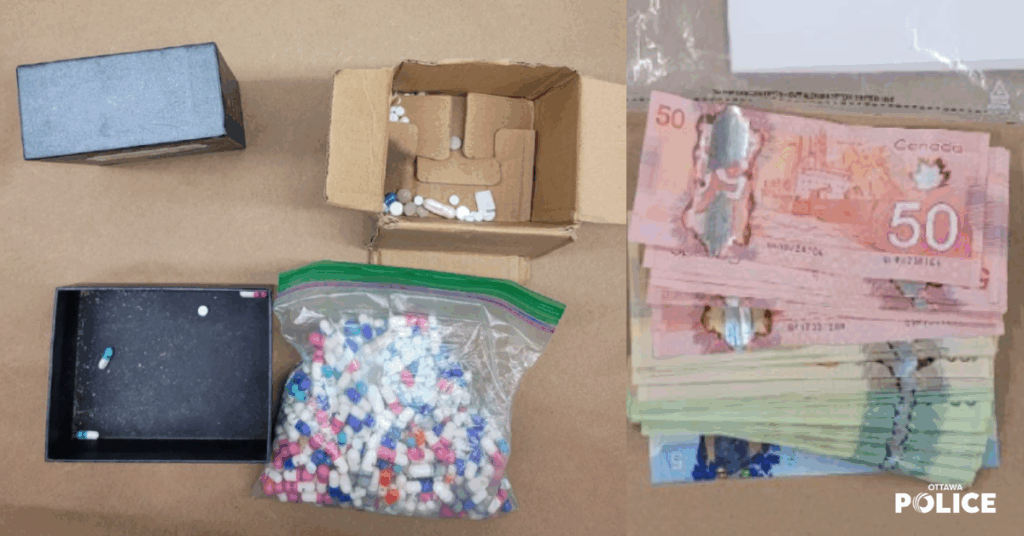
Last year, the Ottawa Police Service (OPS) responded to over 1,400 calls regarding overdoses, equating to almost four calls per day.
Overdose deaths remain high across the province; just last year, there were over 2,200. A report released in January determined that overdose deaths in Ontario are increasingly involving more than one drug.
The report, from the Ontario Drug Policy Research Network and Public Health Ontario, found that between 2018 and 2022, the monthly rate of overdose deaths involving one substance increased by 75 per cent. That rate increased by 167 per cent for two substances and 186 per cent for three or more substances.
This year alone, OPS says it has responded to 364 overdoses. Naloxone was administered 29 times, and 24 lives were saved.
Now on International Overdose Awareness Day, OPS is reflecting on some of its response services to help “reduce the stigma surrounding substance use and addiction, and recognizing the many lives affected,” a statement on its website reads.
OPS is involved in two programs that work to increase awareness and education and provide life-saving measures to prevent overdose related deaths.
The force works in partnership with ANCHOR, a city-operated program, implemented in 2024, to provide mental health and addictions-related support services to those 16 years of age and older in Centretown.
“ANCHOR is a community-led initiative,” Amy Johnston, strategic programs and projects specialist, said in a city release. “The service is grounded in collective impact approaches and significant research undertaken by the Ottawa Guiding Council on Mental Health and Addictions, whose research and robust community consultation laid the foundation for the safer alternate response model in the city.”
ANCHOR provides a trauma-informed, community-centric approach. But in some serious situations, 9-1-1 may still need to be called.
In 2022, OPS launched its Naloxone Kit program to supplement emergency measures given by first responders.
With support from Ottawa Public Health and the Ministry of Health, OPS officers are supplied with naloxone kits, which can be used as early intervention in a crisis until paramedics arrive on scene.
“Knowing the signs of an overdose and how to administer naloxone can save a life and has saved many,” S/Sgt. James McGarry said in a press release. “The main goal of this work has been to reduce the harm that illicit substances have on our community. We want to support the work of our partners and ultimately continue to help save lives.”
In administering life-saving measures, OPS is also working towards breaking down stigma that isolates those with mental health and addiction issues from their communities.
“The use of illicit substances, particularly synthetic opioids such as fentanyl, remains a major contributor to overdoses in our community. It continues to have devastating impacts on families and places significant strain on emergency services,” McGarry said. “Encouraging open dialogue about this issue is essential. It helps raise awareness, enables those at risk to seek help, access treatment, and receive the support they need.”