OPS launches Mobile Crisis Response Team for mental health, addictions calls
Posted Oct 5, 2025 04:19:25 PM.
Last Updated Oct 6, 2025 11:29:59 AM.
In an effort to better respond to those experiencing mental health and addiction crises, the Ottawa Police Service (OPS) launched its first Mobile Crisis Response Team (MCRT).
The team, the force said in a press release, will provide “immediate and specialized support” to those in crisis. According to OPS, mental health calls for service have increased 15 per cent since 2019.
“People in crisis need the right help at the right time,” Mental Health Unit Sgt. Dodd Tapp said in a press release. “By combining police expertise with mental health care, this team ensures compassionate, culturally informed, and effective support while keeping the community and our members safe.”
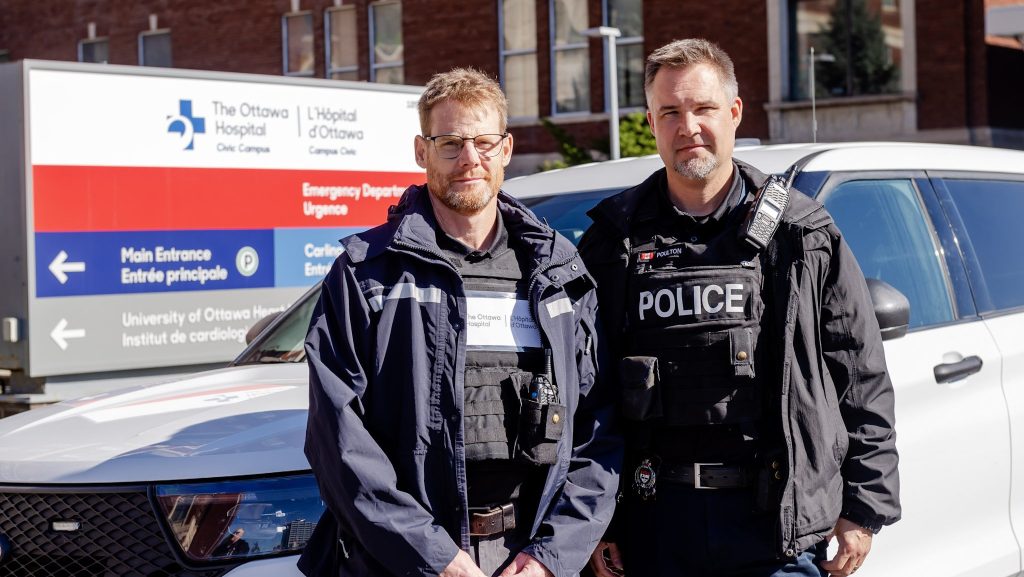
The MCRT pairs a specially trained police officer from the mental health unit with a mental health professional from The Ottawa Hospital’s Mobile Crisis Team. Together, they will respond to calls across the city, providing unique mental health and addictions support.
“The creation of the MCRT reflects a growing recognition that mental health and substance use crises are complex and often require a coordinated, team-based approach,” an OPS press release states. “By pairing a police officer with a mental health professional, the team can respond quickly, provide immediate assistance, and connect individuals to follow-up services. This approach is expected to resolve more incidents in the community, reduce the need for apprehensions under the Mental Health Act, and ease demand on hospital emergency departments.”
Recommendations developed to guide how the teams operate and present themselves were created in consultation with a working group including mental health professionals, community service providers and those with lived experiences. Recommendations focus on balancing professionalism with approachability, clearly defining roles, and ensuring effective service delivery.
The launch of the MCRT is OPS’s newest initiative to better support those experiencing mental health crises.
In 2021, the Mental Health CHANGE Initiative (MHCI) was developed in response to a coroner’s inquest into the death of Abdirahman Abdi in 2016. The initiative was created with the goal “of identifying and addressing systemic gaps, coordinating efforts and driving meaningful improvements”.
In August, OPS launched a Crisis Intervention Team (CIT) Program to train officers in dealing with mental health situations. The program ensures there is at least one CIT-trained officer on each frontline platoon, as well as several additional officers to address a higher number of calls.
The CIT Program follows an internationally-recognized approach that has been operating across North America since the 1980s.
“Multiple CIT Officers have expressed that the training has increased their confidence in engaging with individuals experiencing mental health and/or substance use crises,” Staff Sergeant Ali Toghrol said in a press release. “The communication and de-escalation skills developed through their training have made a clear and noticeable impact in the field. Officers continue to share encouraging experiences where they’ve successfully slowed down situations, used effective de-escalation techniques, and built meaningful rapport with community members.”
For now, the initial MCRT team will operate Tuesday to Friday, on extended weekday hours of either 8 a.m. to 6 p.m. or 10 a.m. to 8 p.m. The OPS has stated it is also exploring the addition of a second team in the future to expand coverage and strengthen the initiative.