OPS fails to meet call response target; report cites staffing shortage
Posted Oct 25, 2025 01:08:40 PM.
Last Updated Oct 27, 2025 11:38:24 AM.
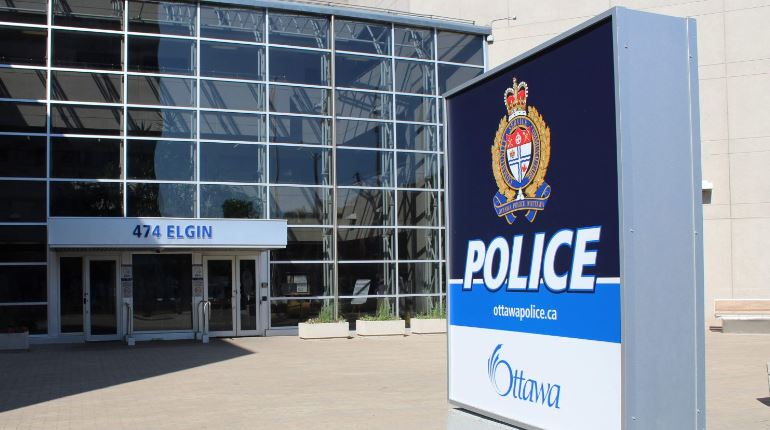
Ottawa Police Service (OPS) did not meet its call response target in 2024, according to a report from Beth Gooding, the director of Public Safety Service.
OPS responded to 91 per cent of 911 calls in six seconds in 2024. That number should be 97 per cent.
The police service has missed this target for the past four years, recording 86 per cent, 81 per cent, and 89 per cent in 2021, 2022 and 2023, respectively.
While the 2024 target response rate shows some promise, the report also notes that call volumes were down year-over-year for the first time since 2020.
In 2024, OPS received 384,330 calls, a 6.6 per cent decrease from 2023. In 2023, the Public Safety service noted that a higher number of calls was primarily attributed to a temporary software glitch, resulting in a significant increase in erroneous calls to 911. That glitch was resolved later in the year.
The report cites staffing shortages as a main contributor to the failure to meet the response target.
A report from the Ontario Auditor General released at the end of the summer found that OPS is relying on overtime to fill staffing shortages. Overtime costs increased 242 per cent from 2020 to 2024, when they reached $2.34 million.

The report cautions that insufficient frontline resources put the OPS at risk of “continued operational strain and reduced service effectiveness.”
But the solution is not as simple as just hiring more officers. The standard hiring process for forces is between six and nine months. Yet, the audit found that sometimes OPS took more than a year.
In September, the Ottawa Police Service Board voted to increase the annual police levy between 2.9 and 6.5 per cent — 6.5 per cent would be the highest increase in years. But the service estimates it needs 10.6 per cent just to cover the cost of new hires.

Despite staffing shortfalls, OPS still met its other two targets for the year, which included a minimum number of 911 call takers that must be on duty at all times and staffing levels that are adjusted based on call volume.
The report also highlights the success of the inter-city call transfer service that enables callers to request emergency help for loved ones in other jurisdictions across North America. This service receives approximately 75 to 80 calls per month.
The city is also making progress on upgrading to the Next Generation 9-1-1 system, an internet-based calling system that enables enhanced future capabilities. Calls will not experience any disruptions during the transition.