The oldest operating canal in North America is getting some upgrades
Posted Nov 21, 2025 01:41:47 PM.
Last Updated Nov 24, 2025 10:47:17 AM.
Known as Canada’s largest rink and the oldest operating canal in Norther America, the Rideau Canal National Historic Site is getting some upgrades.
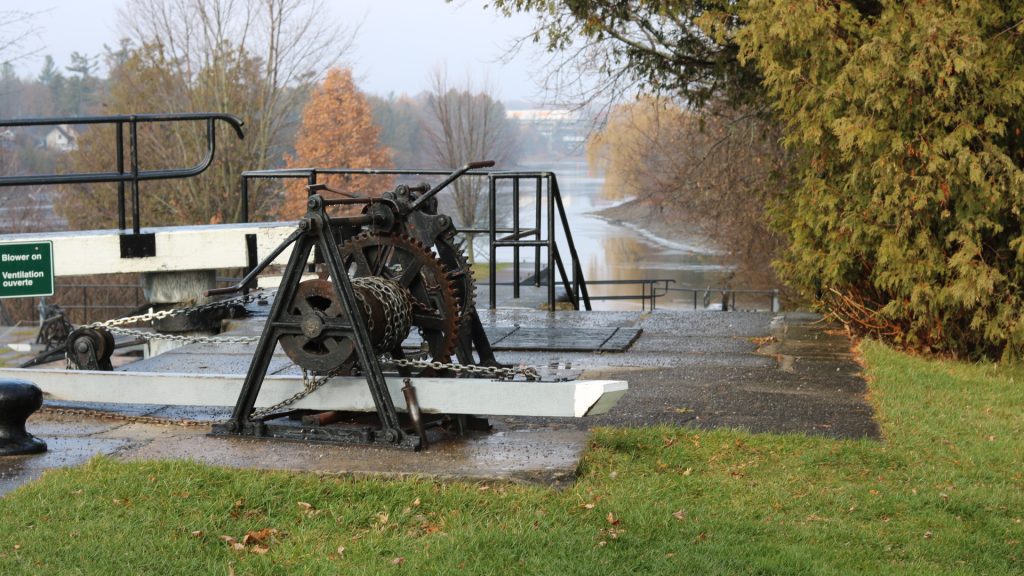
The Government of Canada announced it is providing $36.2 million for infrastructure upgrades to three locations along the Rideau Canal between Ottawa and Kingston. The UNESCO World Heritage Site is supported by Parks Canada, which will carry out the conservation projects at Lock 14 at Long Island in Manotick, replacement of the Brass Point Bridge near Kingston and stone and masonry work at Clowes Weir near Burritts Rapids.
“The Rideau Canal National Historic Site is a national treasure that connects communities, history, and nature across Ontario,” Bruce Fanjoy, MP for the Carleton riding, said in the press release. “This investment will ensure its remarkable heritage structures remain strong and safe for future generations of land- and water-based visitors and local community members to explore and enjoy.”
The money is part of the 2024 Federal Budget, where the government allocated $545.1 million over four years for projects focused on protecting heritage. Several sites along the Rideau Canal and the locks were constructed in the 1800s. Steven Guilbeault, Minister of Canadian Identity and Culture, said preserving the sites is part of the Canadian identity.
“National historic sites help us reflect on our shared history, telling the stories of who we are as communities and as a country,” he said. “This investment not only protects a living piece of Canadian history but also boosts local economies, supporting the businesses, tourism, and communities that thrive along its banks.”
The history of the Rideau Canal
The Long Island Lock 14 was built in 1832, and the reconstruction of the walls will extend its life by 50 years, the press release notes. The swing bridge at Brass Point is a crossing over the canal, and replacing it will allow the public to continue using it.
The Clowes Weir lock, constructed in 1828, needs replacement masonry and a new timber deck to help manage the canal’s water.
The canal spans 22 lockstations and makes up a route of 202 kilometres, the Parks Canada website reads. It was designed for steam-powered vessels to travel from, then named, Bytown to Kingston, and is “one of the greatest engineering feats of the 19th century.”
Parks Canada notes that the idea of the canal allowing such large boats to pass was “met with little enthusiasm” from British authorities. Colonel John By was tasked with making the route navigable, which was seen as a safer and more direct route than the St. Lawrence, and championed the construction until the canal opened in the summer of 1832.
Gearing up for the winter season
The National Capital Commission (NCC) is preparing for the canal’s season after a successful 2024-25 year with 52 skating days.
While some of this success can be attributed to the bitter cold temperatures, Maryam El- Akhrass, a spokesperson for the NCC said the “outstanding success” is also in part thanks to the NCC’s continued work to prepare for the impacts of climate change and adapt its operations accordingly.
“The past few seasons taught us a great deal about the effects of milder winters on the Skateway, and our partnership with Carleton University is helping us identify strategies to adapt Skateway operations to the impacts of climate change,” she said. “Some strategies have already been implemented, like the use of lighter equipment. The addition of new walking lanes has also allowed an even greater number of people to fully enjoy this uniquely Canadian winter experience.”
According to the Farmer’s Almanac 2025-2026 winter forecast, much of the southern Quebec region, which includes Ottawa, can expect more precipitation this winter, but less snow.
That means Ottawa could be in for a wetter winter, with rain and mixed precipitation cutting snowfall values.
According to Environment Canada, temperatures are expected to be slightly above seasonal, but frigid temperatures are still expected through December and into early January.
With files from CityNews’ Rachel Morgan.