Solid April GDP rebound suggests Canada is not in a recession: economists
Posted Jun 30, 2026 08:36:12 AM.
Last Updated Jun 30, 2026 02:42:08 PM.
OTTAWA — The economy sprung back to life in April with solid enough growth to dismiss the spectres of a recession, according to economists weighing in on the latest data Tuesday.
Statistics Canada said real gross domestic product rose 0.5 per cent in April, the fastest monthly growth rate for the economy since July 2025. The result topped StatCan’s initial estimate for 0.4 per cent growth in the month.
The agency also expects growth moderated but remained positive at 0.1 per cent in May, though those early estimates will be revised in July.
An economic contraction in the first quarter of the year sparked rumblings of a recession in recent weeks, though most economists already argued that label was premature.
For many, the April GDP figures solidified that call.
“This is not an economy in recession,” said Andrew DiCapua, principal economist for the Canadian Chamber of Commerce, in a media statement.
“April’s GDP rebound shows the economy is still chugging along, even if growth remains sluggish and not especially strong.”
BMO chief economist Doug Porter said recession talk based on the previous two quarters was a “false alarm.”
While he cautioned against reading too much into any one month of economic data, he said in an interview that the April GDP reading “should quash talk that Canada is in a recession.”
“It’s struggling to grow, there’s no two ways about it. It had been in a pretty serious lull over the past year, but I think by most traditional measures, other than GDP, I don’t think anybody would have considered us to be in a true recession,” he said.
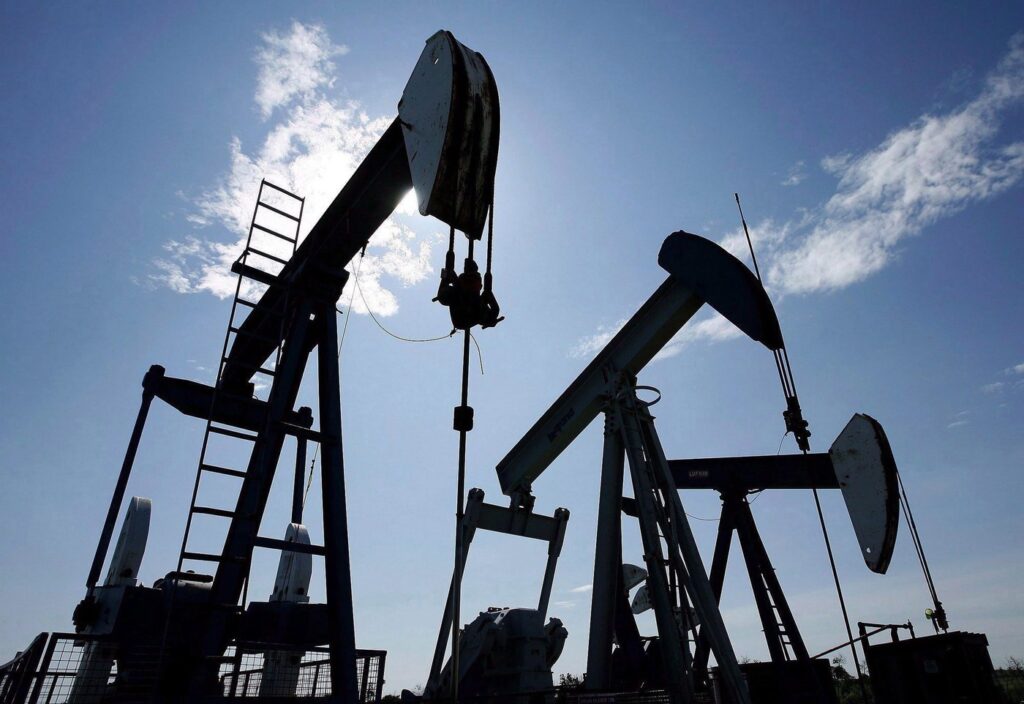
Oil and gas extraction surged in April, helped by higher synthetic crude oil production, which bounced back after unscheduled maintenance tempered growth to start the year, StatCan said.
But the agency also said growth was widespread across 14 of 20 industries in April. The manufacturing, construction and transportation and warehousing industries all posted gains, as did the public sector. A 0.7 per cent gain in the construction industry was the sector’s first increase in five months.
Porter said that some of the month’s gains might be coming from the economy thawing out after a harsh winter hampered activity across multiple sectors.
“It’s almost as if, all at once, every single industry in Canada shook off the winter blues,” he said.
StatCan said real estate agents’ and brokers’ offices were busier in April, marking the subsector’s first growth since August 2025 on the back of stronger home sales in the Greater Toronto Area.
Thomas Ryan, North America economist with Capital Economics, said in a note that June will also get a lift from the FIFA World Cup.
Despite signs of second-quarter momentum, Ryan said the first-quarter miss means growth over the first half of 2026 could still fall short of the Bank of Canada’s expectations.
“While this should put a firm end to any debate about whether the economy is in recession, growth over the first half of the year is still set to average considerably below the Bank of Canada’s forecast, supporting our view that rate hikes are a long way off,” he said.
The central bank is widely expected to leave its benchmark interest rate unchanged at 2.25 per cent for a sixth consecutive time at its next decision on July 15.
The April and early May GDP estimate put the second quarter of the year on track for growth topping two per cent annualized, Porter said, which would overshoot the Bank of Canada’s expectation for 1.5 per cent growth.
He argued that the Bank of Canada is unlikely to hike interest rates with the economy still growing well below potential. If anything, he believes the central bank should be biased toward giving some stimulus with a rate cut — though BMO’s official call is for no change in the policy rate for the rest of 2026.
Trade uncertainty is still putting a pall over much of the economy, particularly industries like steel, aluminum and auto manufacturing hit hard by sectoral tariffs from the United States.
“The rest of the economy should be able to grind forward with modest growth, we believe, over the next year, even if we don’t have absolute clarity on the trade front,” Porter said.
A separate release from StatCan on Tuesday detailing energy statistics in the economy showed exports of refined petroleum surged 69.7 per cent year-over-year as the war in Iran pushed prices higher globally.
Production of crude oil and equivalents rose 4.2 per cent in April, which StatCan said was the 11th consecutive month of year-over-year increases.
Oilsands extraction contributed the most to the stronger activity in April, though offshore production from Newfoundland and Labrador also hit its highest levels since March 2020.
Crude oil exports to the United States by pipeline rose 8.8 per cent annually in April, while exports to Asia and Europe jumped 46.6 per cent. The agency pointed to the closure of the Strait of Hormuz and the ongoing conflict in the Middle East as hampering crude oil supply from the region.
This report by The Canadian Press was first published June 30, 2026.
Craig Lord, The Canadian Press