Ottawa Valley’s 417 section between Kanata to Arnprior joins the 110 km/h club
Posted Apr 26, 2022 04:54:01 PM.
With gas prices reaching record highs almost every week, it may take some convincing for many drivers to resist pushing their gas pedals down a little further after the old 100 km/h maximum speed limit signs were replaced on April 22 with the new 110 km/h signs and one does not have to be out driving very long to see the immediate impact with several drivers.
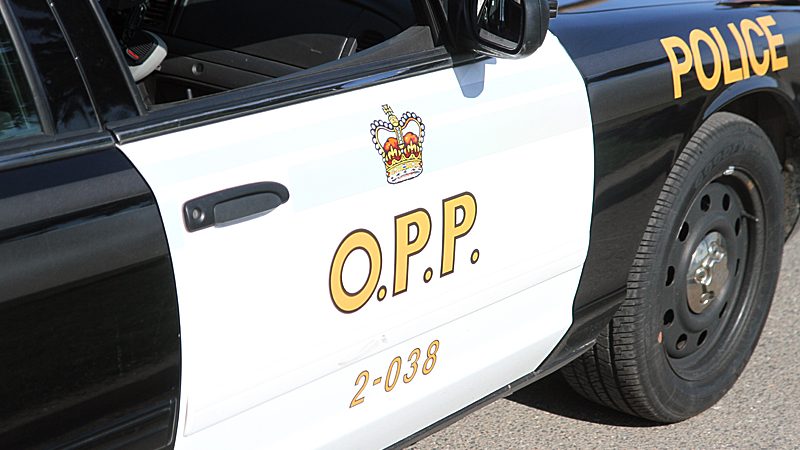
One local Ontario Provincial Police (OPP) officer who routinely patrols the busy highway commented the flow of traffic has certainly picked up the tempo, but it has also given some drivers an excuse to drive in excess of 125 km/h on a routine basis.
“Some drivers think they can now go 15-20 km/h over the posted speed limit on the assumption the OPP may turn a blind eye while drivers make the transition to the increase,” the officer said. “One thing we are not doing is turning a blind eye to speeders, especially on the 400 series of highways.”
Minister of Transportation Caroline Mulroney recently announced that the speed limit would be rising to 110 km/h on six stretches of Ontario highway that are part of the 400 series of highways. The change went into effect on April 22 and it is a permanent maximum speed.
The initial pilot has been running on three sections of highway since 2019, but traffic was diminished due to the COVID-19 pandemic, and so an extension was granted. The decision to increase speed limits on some four-lane divided highways was made after Ontario ran a two-year pilot project. The new speed limit will now align with speed limits in other jurisdictions across Canada.
“Our government continues to find new ways to make life easier and more convenient for families and businesses that depend on highways to get where they need to go,” Mulroney added. “With road safety top of mind, these sections have been carefully selected based on their ability to accommodate higher speed limits.”
Previous increases took effect last year as pilot projects and following consultation and public feedback, the minister introduced the measures to six stretches, including the Kanata-Arnprior corridor.
The initial phase included: Queen Elizabeth Way from Hamilton to St. Catherines; Hwy. 402 from Sarnia to London; and Hwy. 417 from Gloucester to the Ontario/Quebec border. Along with the pilot, the province conducted public consultations and found 54% of drivers prefer to drive in the lane that best matches their speed; 14% prefer to drive in the middle lane; 14% prefer the right lane; and 8% prefer the lane with the least traffic. Sixty-one per cent of respondents said they felt comfortable driving at speeds greater than 100 km/h; 29% adjust their speeds to driving conditions; fewer than 10% said they most comfortable driving around the 100 km/h posted limit; and 1% feel most comfortable driving below 100 km/h.
Although it appears a majority of those who took part in the survey were in favour, others caution that an increase in speed could lead to an increase in serious injuries if involved in vehicular collisions.
Mike Nolan, chief of paramedic services for the County of Renfrew, did not comment on whether the increase is good or bad, but he said it is a basic fact that the faster a vehicle is travelling prior to impact, the greater the chance of serious injury, or even death
“It is not up to me to critique the increase, but what I can state is the greater the speed just before a vehicle is involved in a collision, the greater the likelihood of a more serious outcome for the occupants in the vehicle,” he said. “Each individual has the choice of their speed on the highway and for some, they are very comfortable travelling at a high rate and they would say the flow of traffic is quite manageable.
“Others may want to continue on the speed they are used to, and they may get along fine. It is more than the rate of speed involved. Other factors include the use of guard rails, rumble strips and other safety features built into the infrastructure. All any of us can do is practice responsible safety measures such as taking into account road and weather conditions and other factors such as distractions and personal health.”
The addition of the 37-kilometre stretch between Kanata to Arnprior includes a small section of roadway between the Campbell Road on ramp up to the section of highway that is reduced from two lanes to one. New signs informing drivers to reduce their speed down to 100 km/h and then to 90 km/h may prove to be a flashpoint for drivers and MTO staff have indicated the small section of roadway will be closely monitored moving forward.