5,800 basements flooded as people recover from historic Canada Day storm
Posted Jul 13, 2026 02:18:27 PM.
Last Updated Jul 13, 2026 02:35:18 PM.
People across Ottawa are tired and frustrated as thousands continue to grapple with the aftermath of an unprecedented storm that caused widespread flooding.
On July 1, intense flooding closed roads, cancelled Canada Day celebrations and set a new rainfall record in Ottawa. Firefighters responded to over 700 reports of downed wires and electrical hazards, officials detailed.
According to Environment Canada’s data, 118.4 millimetres of precipitation fell on Canada Day. This is about double the previous record — 58.9 mm — that was first set in 1959 at the Ottawa International Airport.
As a result, Ottawa’s mayor said the city has 5,800 reports of flooded basements more than a week after the “historic event.”
“We will do everything possible to help our residents and find solutions,” Mark Sutcliffe said at a press event on Monday. “We will not stop until the recovery is complete for every neighbourhood and every resident.”
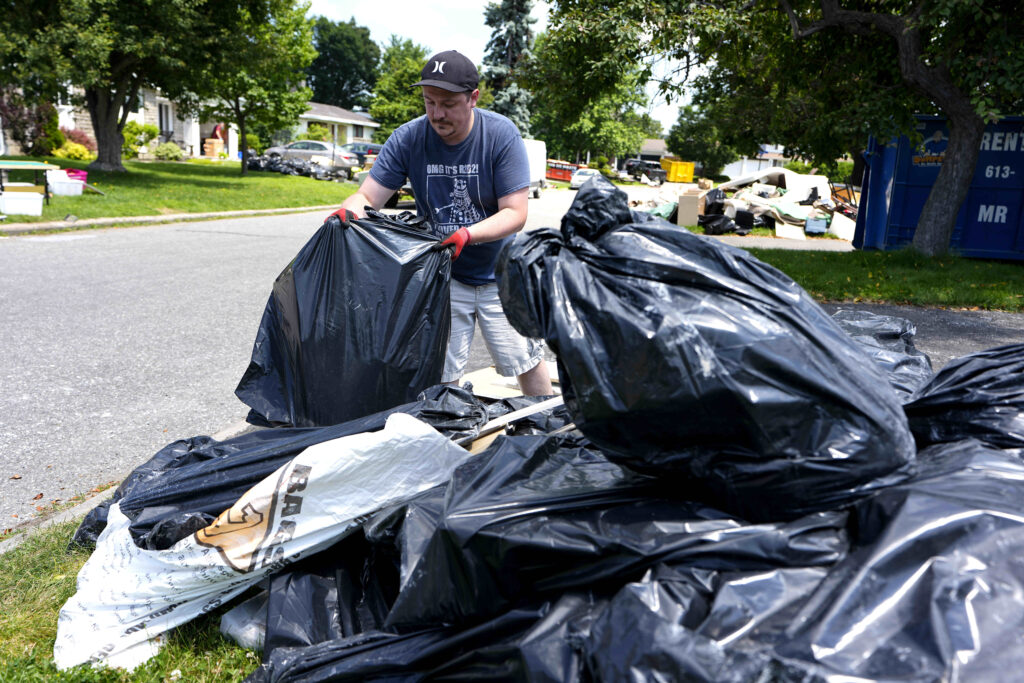
Immediately after the extreme event, the City of Ottawa mobilized crews to do a special collection of debris from people impacted. Since July 2, Sutcliffe said that crews have collected 2,500 tonnes of debris, which is equivalent to all the garbage collected in one week in the city.
City asks province to allow residents to get recovery funding
Mayor Sutcliffe said he has asked Premier Doug Ford to open up eligibility for affected residents to access a recovery fund.
Known as the Disaster Recovery Assistance for Ontarians (DRAO), it is a fund helping people recover from natural disasters. It can be activated if there’s a “sudden, unexpected natural event, such as a flood or tornado, that causes costly and widespread damage in your area,” the province notes on its website.

The mayor said he spoke to provincial officials as of Monday morning, asking them to move quickly.
“He’s indicated to me that they are moving as quickly as possible to make this area eligible for funding, and it should happen this week,” Sutcliffe said.
Parts of Ottawa experience one in 200-year storm
It was not just a bit of rain on the afternoon of Canada Day.
It was a deluge that came down so fast that it dumped over 100 milimetres of rain in only a few hours.
According to an updated memo prepared by city staff, the storm on July 1 is close — or in some cases exceeded — the 1 in 200-year flood event.
For reference, the widespread flooding in Constance Bay and Gatineau in 2017 was less rainfall (in 24 hours) than this year’s storm.
“Total precipitation generally exceeded 100 mm across portions of the urban area, while the highest six‑minute rainfall intensities were also centred within the same corridor,” staff note.
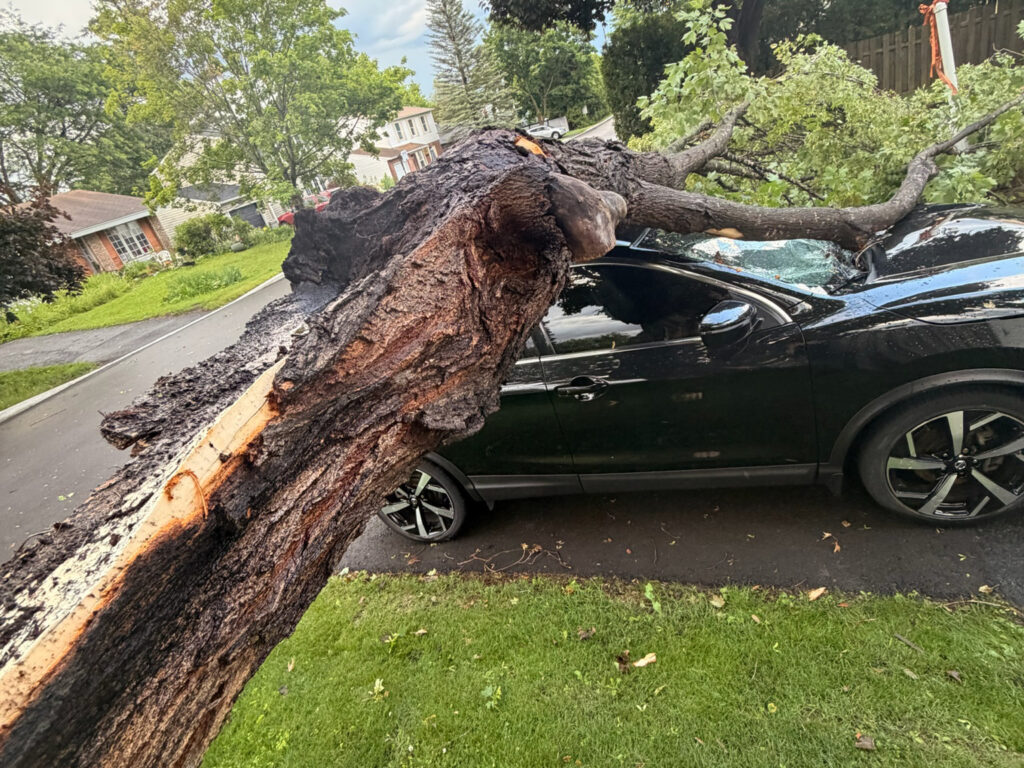
Coupled with high winds that cause hydro outages for thousands across the city, the storm impacted the whole region. According to maps created by the 26 water gauges, the rainfall was concentrated over the central and southwest communities in Ottawa.

A typical rainstorm in the city is between 5 and 15 mm of total precipitation, usually only over a few hours, it notes. But during the extreme weather event, many parts of Ottawa got between 50 and 150 mm of rain.
For the most part, staff said the infrastructure handled the heavy rain, as wastewater, drinking water and pump stations were unaffected.
“While these critical assets demonstrated resilience under severe conditions, the extraordinary volume and intensity of rainfall exceeded the capacity of many localized drainage systems, resulting in widespread flooding across affected areas,” they note.