Ottawa’s 2026 draft budget is about ‘stability,’ mayor says

Posted Nov 12, 2025 11:25:30 AM.
Last Updated Nov 12, 2025 02:06:54 PM.
The City of Ottawa’s draft budget, brought to city hall on Wednesday, focuses on a low tax increase and financial stability for residents.
The proposed document, which will be the centre of discussions at council over the next several weeks, promises a 3.75 per cent all-in tax increase. It includes a hike in property taxes, an 8 per cent increase in the transit levy and a 5 per cent rise in the police levy. The total tax increase suggested for 2026 is just shy of the 3.9 per cent increase last year.
This is an average tax bill increase of $166 for urban homeowners and $108 for rural owners. The average commercial property will see a $354 addition if the budget is approved.
This, according to officials, is the lowest tax increase among cities with over one million residents in Canada.
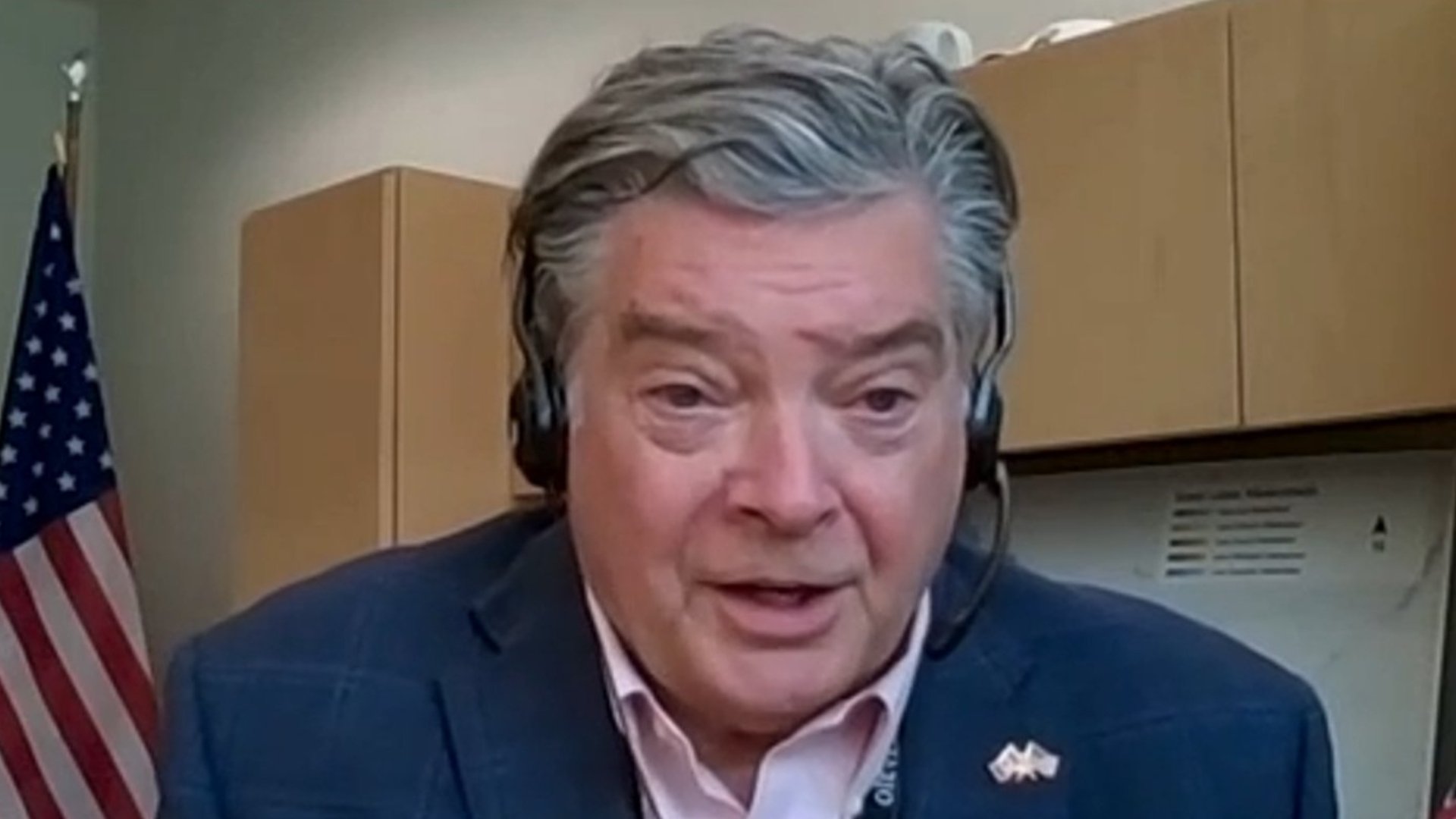
Mayor Mark Sutcliffe said in his remarks on Nov. 12, that residents in the municipality simply “can’t afford Toronto-style tax increases.”
“We’ve seen that happen in other cities in Canada; in Toronto, Vancouver and other municipalities, there have been tax increases of 10 or 11 per cent in some years,” Sutcliffe said. “In Ottawa, we’ve kept our average increase to below 3 per cent for the past three years.”
According to Sutcliffe, some members of council believe the tax increase is too low and will cause the municipality issues down the line with a lack of investment. Ottawa’s mayor said that the city has found savings to address this.
According to officials, staff and councillors found $253 million in savings through streamlining efficiencies at city hall. Sutcliffe said this is about equivalent to a 12 per cent tax increase that the municipality will not be imposing on residents.
Through the “fiscally responsible plan,” the city said it was able to remove the burden on taxpayers and bring further investments from partners.
The mayor said that working with other levels of government to increase funding for the nation’s capital is a key example. He said that conversations with Prime Minister Mark Carney and local MPs have helped bring money in for the city’s transit system, which continues to be a pitfall in the budget and one of the most expensive assets the municipality is taking care of.
In February, in the midst of an election, Premier Doug Ford promised that the Ottawa Light Rail Transit (LRT) system would become a part of the province’s portfolio. It is something Sutcliffe has been advocating for, and one that would bring the nation’s capital in line with cities like Toronto, Mississauga and Hamilton.
Ottawa’s mayor did not give a timeline for when this could happen, but did mention the “large transaction” in other cities has taken up to two years. If Ontario uploads the LRT to its management, it will save $85 million annually for the city.
“We have a choice to make,” Sutcliffe said. “A choice between high tax increases and big spending or a balanced, responsible approach that protects affordability and invests in what matters most to our residents.”
By the numbers according to the draft budget
Transit
- $938.7 million for OC Transpo (almost 30 per cent increase from 2022)
- 8 per cent transit levy increase
- 2.5 per cent fare increase
- EquiPass and Community Pass price freeze
Police
- $26.1 million increase for Ottawa police
- 5 per cent police levy rise
- 25 new officers
- Roll-out of body-worn cameras
Housing and mental health
- $222 million for programs that support vulnerable residents
- $23.25 million for 350 affordable housing units
- $400,000 to end youth homelessness
- $476,000 to address food insecurity
Roads and parks
- $135 million for road resurfacing
- $25.4 million for sidewalks
- $3.6 million for rural ditching
- $75 million to maintain community centres and parks