More wetland protected in west Ottawa with help from city, ecological groups
Posted Mar 18, 2026 01:38:39 PM.
Last Updated Mar 18, 2026 04:11:12 PM.
About 250 acres of land are protected through the work of multiple groups in the nation’s capital.
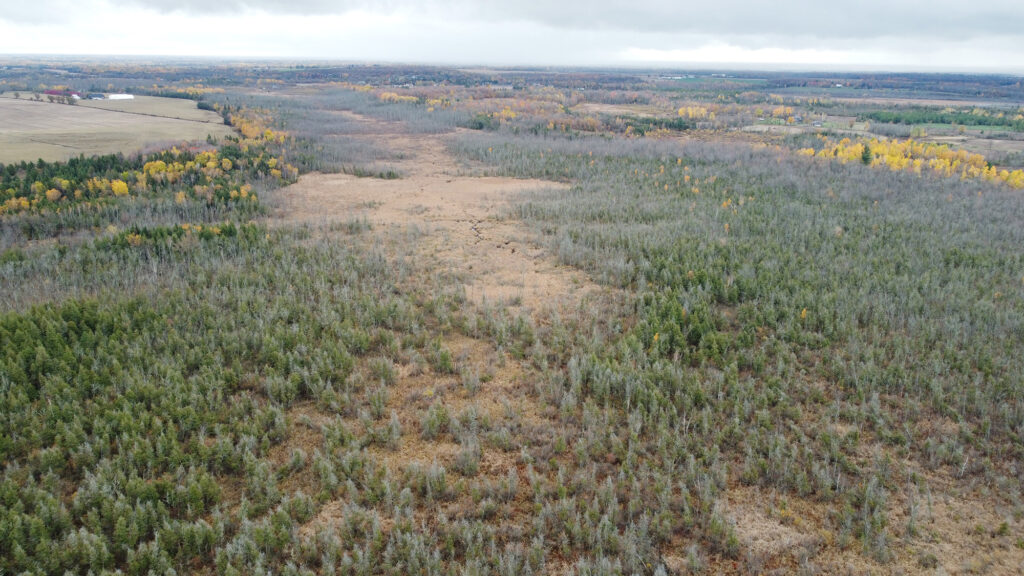
According to the Rideau Valley Conservation Foundation, it along with support from Ducks Unlimited Canada, Scout Clean Energy and the City of Ottawa, acquired the property from landowners. About 210 acres of the parcel is wetland, helping the foundation keep the vital watersheds in place.
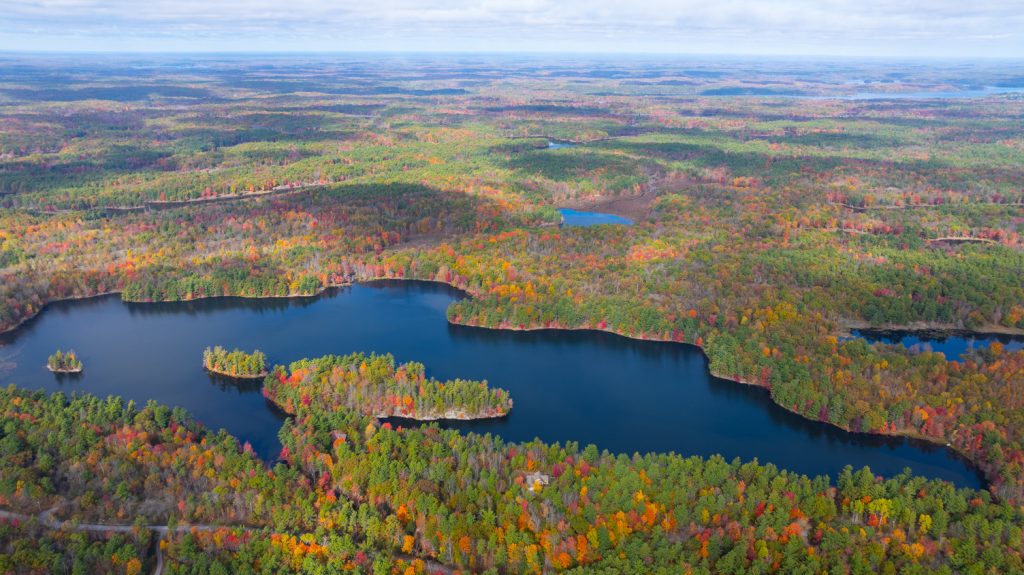
“This property adds to an expanding network of wetlands, shorelines, forests and meadows,” Diane Downey, RVCF executive director, said. “Together, these lands create connected habitats where nature can thrive for today and generations to come.”
Other groups, including Modern Niagara and Friends of Stittsville Wetlands, helped support the acquisition. Ottawa’s mayor said that protecting wetlands will have “lasting benefits” to the community and environment.
“There can also sometimes be some confusion between these protected properties and Crown land, which is often considered public and used for activities like hiking, fishing, and camping,” Downey said in an email. “In contrast, this site is not intended for public access due to its ecological sensitivity.”
Wetlands are key in flood mitigation, act as natural carbon capture systems (like forests), provide valuable wildlife habitats, and are vital in water filtration.
This adds to the 2,986 acres of conservation lands the foundation has under its watch, and the 5,570 acres it and the Rideau Valley Conservation Authority oversee. Most of the land has been donated by private landowners.
“RVCF encourages landowners to consider conservation land donations as a lasting way to protect special places,” it said in a press release.
More groups working to conserve land
Nature Conservancy Canada (NCC) will help to protect one of the remaining habitats of the Blanding’s turtle, while also preserving a sustainable ecosystem in the Frontenac Arch, which is within one of the most important forest corridors east of the Rocky Mountains.
The area, where five forests converge, creates a unique and vibrant habitat for a wide range of biologically diverse species. The Arch connects Ontario’s Algonquin Highlands with the Adirondack Mountains in New York State. It offers a corridor for hundreds of migratory and wide-range species through a network of connected conservation lands.
The NCC says it has been participating in over 20 years of conservation in the Arch. Over this time, over 3,200 hectares of natural habitat have been protected.
“Conservation at this scale doesn’t happen alone,” Rob McRae, program director for eastern Ontario at the NCC, said in press release. “It’s the result of strategic planning, strong partnerships and a shared commitment to protecting nature for future generations.”