Ontario budget 2025: Alcohol sector reforms continuing as revenues drop again
Posted May 15, 2025 04:05:41 PM.
Last Updated May 15, 2025 06:57:40 PM.
The Ford government is continuing its push to reform the province’s alcohol sector, but the 2025 Ontario budget shows money from booze is forecast to drop again due to a variety of reasons including U.S. tariff retaliatory measures.
According to projected revenues in the budget, the Liquor Control Board of Ontario (LCBO) is set to see a third straight year of declining revenue. Officials said they expect to earn $1.85 billion in 2025-2026, which is down from $2.16 billion the fiscal year before and $2.57 billion in 2023-2024.
The tax revenue the Ontario government collects on beer, wine and spirits sold through private-sector channels is set to drop for the fourth straight year, particularly when compared to 2024-2025. The provincial government expects to collect $388 million, down approximately from $562 million from the year before.
Government staff said this year’s forecast revenue drop is fuelled by a few different factors.
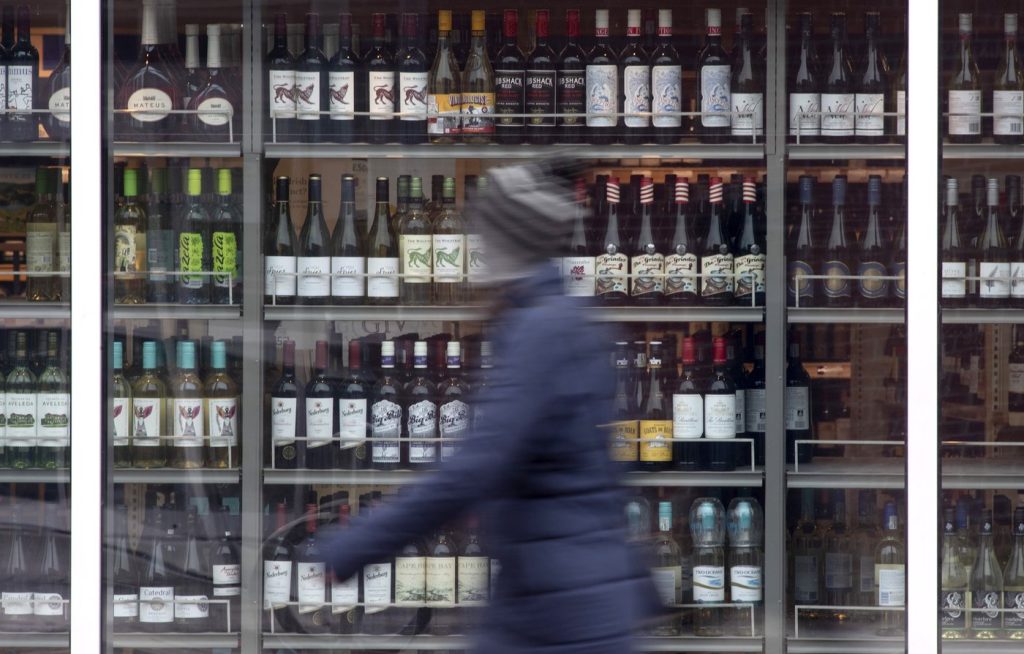
In response to U.S. President Donald Trump’s tariff regime, Ontario Premier Doug Ford ordered alcohol produced in American states to be pulled from LCBO shelves.
The Ford government also introduced incentives aimed at helping smaller alcohol producers, which in turn means less revenue coming into the Province.
It also comes as officials said they continue to see a continued drop in the demand for alcohol from residents in the province.
Meanwhile, the Province is set to spend $175 million over five years ($35 million a year) on the Ontario grape support program. Officials said it’s meant to increase the number of grapes grown in Ontario in bottles of wine.
“This program is anticipated to double, on average, the percentage of Ontario grapes in blended wine, leading to the purchase of thousands of additional tonnes of Ontario grapes from grape farmers,” the budget said.
The government is also making changes to help support the recently liberalized alcohol marketplace, with more than $250 million over the next two years to make it more competitive – and make booze more affordable. The changes include a tax rate cut for spirits at on-site distillery retail stores and a reduction in the microbrewer basic tax.
“We’re reducing … taxes and fees on alcohol so that we put more money back into small businesses, we put more money back into consumers by making prices lower,” Ontario Finance Minister Peter Bethlenfalvy told reporters Thursday afternoon.
“This is what we ran on, this is what we do. We don’t raise taxes and fees, we lower them and guess what? I think it’s going extremely well.”
There was nothing in the Ontario budget that required alcohol producers to lower prices.
In 2024, the Province liberalized rules on alcohol sales and allowed booze to be sold in convenience and grocery stores.
More than 4,000 convenience stores were granted licences in September to sell beer, wine, cider and coolers, a figure that the province says has jumped to more than 5,000 such licences.
Jeff Brownlee, vice president of the Convenience Industry Council of Canada, continued to celebrate the looser alcohol regime.
“To date, convenience retailers have seen average sales increases of more than 15 per cent, with many of our members, particularly in smaller and rural communities, crediting these reforms for helping them stay competitive and keep their doors open,” he said.
In late October, the province implemented the final phase of its liberalization policy when it allowed any grocer to sell booze. About 400 stores had signed up at the time and that number has since jumped to more than 1,000.
Ford’s government recently tabled legislation to get rid of all internal trade barriers and signed memoranda of understanding with Nova Scotia, New Brunswick and Manitoba to allow direct-to-consumer alcohol sales. He previously said he wants to sign bilateral deals with every province and territory that will further expand the customer base for Ontario producers.
Ontario opposition party members slammed the continued focus on alcohol versus focusing on other priorities like health and education.
“I question the government’s priorities … maybe this is helping out some small businesses. I just can’t understand why once again this government seems to be so consumed with alcohol sales when we are facing some of the biggest attacks we’ve seen,” Ontario NDP leader Marit Stiles told reporters.
“We’re flying into serious economic turbulence and Doug Ford is giving us another buck-a-beer budget,” Ontario NDP finance critic Jessica Bell added.
Ontario Liberal Party leader Bonnie Crombie said she was “frustrated” that alcohol was a budgetary focus when funding should have been allocated to schools and hospitals instead.
“It’s infuriating to see taxpayer money burned like this by this government,” she said.
With files from The Canadian Press